Sunday, January 27, 2019

Some Questions about the Book of Kells Exhibit at TCD Old Library


Some Questions about the Book of Kells Exhibit at TCD Old Library

Luchia Lee-Howell

The Book of Kells is Ireland’s most iconic piece of visual art and has been recognized as the signature piece of the Old Library of Trinity College, Dublin (Trinity). The manuscript has been officially recognized by UNESCO, having been inscribed on its Memory of the World Register,[1] is an unofficial symbol of Irish cultural identity, and has generated great scholarly interest. Journal articles, conference proceedings, and monographs discuss specific features of the Book of Kells, from the canon tables, to the marginalia, the text, individual illustrations, and the details of manuscript production. Publications also abound on its medieval history - the state of Christianity in medieval Europe, the monasteries, the politics, the ecclesiastical divisions and reconciliations. What is singularly absent is any academic literature investigating the current public exhibition at Trinity’s Old Library. Conveying in an exhibition the enchantment the manuscript held in the past is a great challenge. What most fascinates me is the question: Can a visit to the Book of Kells become an aesthetic experience matching in innovative splendour the glorious achievement of this manuscript?

The Old Library functions now both as research library and public museum, consisting largely of an exhibition of the Book of Kells. In 2017, attendance at the Book of Kells exhibition was 980,000[2] and the number of visitors is likely to increase, which portends a crisis due to enlarged visitor density in a limited exhibition space. The crunch of people is typical of rush hour crowds. (Fig. 1)

The Book of Kells possessed in past times mystical power to charm people when the book was displayed in church during liturgical ceremonies. This text will examine how one might enliven viewers, from multiple sectors and backgrounds, today and tomorrow, native and international, to acclaim this treasure as in days gone by. We can guess that only a small percentage of the visitors to the Book of Kells exhibition in the Old Library are scholars. What expectations do the non-scholars have of the exhibition, and how well does it serve their interests? How can the brief learning from viewing a stationary object locked in a glass-topped case in a darkened room provide an astonishing experience, one that matches the universal deep-rooted Irish enthusiasm for the Book of Kells? In today’s world of instant communication and expedited travel, more visitors to the Book of Kells exhibition will hail from different cultures; how will the exhibition cater to their needs? Can the encounter with the Book of Kells exhibition leave behind a message with visitors? What will they remember? What inspiration is to be gained from braving the crowds in the Old Library? (Fig. 2)


[1] (The United Nations of Educational, Scientific and Cultural Orgnization, 2017)
[2] (Fáilte Ireland, 2018)
[3]  For example, Thinking about Exhibition, (Greenberg, et al., 1996); the talk from MOMA New York  Curator of (Museum as activator, museum as activist, museum as agitator | Pedro Gadanho | TEDxViennaSalon, 2014); “The Museum without Walls” from (Krauss, 1966); 
[4] (Dooley, 2007); P. 14.

 @2018 by author
@2018 by author

(above essay taken partially from Luchia Lee-Howell's postgraduate thesis
PRESENTING THE PAST TO THE FUTURE
A Curatorial Perspective on Exhibiting Trinity’s Book of Kells)

Friday, January 25, 2019

侯康德 給 臺北市政府體育局李再立局長的投書

Li Tsai Li, Commissioner 李再立局長
Department of Sports
Taipei City Government 台北市政府體育局
January 25, 2019

I was denied the opportunity to swim at SongShen Sports Center for two reasons, both absurd.  The staff at SongShen Sports Center told me that these rules could not be changed, and thus I am appealing to a higher authority. These rules should both be changed to bring Taiwan’s regulations up to world standards.

First, I wore a loose type of swimsuit that is widely used in the rest of the world – the US, Europe, and elsewhere. Even one of the staff members at SongShen Sports Center admitted that he wears this type of swimsuit when swimming outside of Taiwan because it is more comfortable. However, at SongShen Sports Center I was told that I could not swim wearing this type of swimsuit because some people jog in this type of swimsuit. Apparently, SongShen Sports Center equates cleanliness with a certain style of swimming suit. To be consistent, SongShen Sports Center would need to ban all swimsuits and all jogging shorts and in fact any type of clothing whatsoever. However, bathing in the nude would be unsanitary.
Second, I purchased flip flops specifically for wear in changing rooms and around swimming pools to protect my feet from infection. I carefully changed out of the shoes that I wear in the street into these flip flops dedicated to swimming areas. The staff at SongShen Sports Center refused to let me wear these flip flops and told me that I was only permitted to use their facilities in bare feet. However, when asked they could not provide or even conceive of an alternate way to protect my feet. This rule puts in jeopardy the health of all the people who use the facilities at SongShen Sports Center. Everybody who uses the facilities should be required to use some sort of foot protection. Particularly in the humid climate in Taiwan, fungus and bacteria can grow on the mats surrounding swimming pools, in the changing rooms, in the showers, and elsewhere in a sports facility. SongShen Sports Center is endangering public health by not requiring the users of their facilities to use foot protection.
I urge that both these rules be changed – the first because it does nothing to protect public health, and the second because it actively endangers public health.
Best wishes,

Kenneth Howell
Apt 6-3, No. 16, Lane 49, Alley 4, Jungxiao East Street, Taipei, Taiwan

____________________________________________________________
Luchia Meihua Lee FB post
Dr. Ken Howell先生今天氣炸了,台北市松山運動中心的游泳池竟然不承認他 Adidas(愛迪達)的游泳褲是游泳褲!硬說是慢跑褲;還有不能穿夾脚拖走入泳池邊。他好不容易很高興的找到靠近住處的泳池,竟然一股鳥氣敗興囘來。重點是:他穿著這泳褲及夾脚拖在台大室内泳池,紐約奧運規格的 Corona Park swimming pool, 愛爾蘭,葡萄牙,法國,德國的各地室内游泳池都可以進去游泳甚至或要求穿拖鞋才可。這個稱台北市政府委外的社區運動中心,不需考慮脚部的衛生問題?到底臺北的松山運動中心是標榜什麽?請問台灣的運動管理部門?誰能給Ken Howell 一個有説服性的説法?而不是回答 "這裏是臺灣-台北的松山運動中心-我們有我們的規則!!!!"
Ken Howell FB post: "Songshan Sports Center does not allow loose swim suits because some people jog in them. Not because I used it to jog. To be consistent, they would need to ban all clothing since it might be used in jogging. But nude bathing would be unsanitary.
Songshan Sports Center also prohibited me from protecting my feet from infection by wearing flip-flops, and could not suggest an alternative. This regulation endangers public health. Everybody should be required to wear foot protection in locker rooms, showers, and around the swimming pool."


1/25
剛發現這家敦化北路-松山運動中心管理單位是匯陽百貨事業股份有限公司https://trade.1111.com.tw/Comp_Info.aspx?vNo=237544 然後其他大安中山等其他運動中心經營管理單位-由青年救國團經營管理https://sc.cyc.org.tw/ 明天打算再去瞭解看看不同管理單位有沒不同原則? 但全部歸台北市政府體育局主管監督。
1/26
今天去勘察了兩所離家較遠的游泳池-臺北教育大學的游泳池,另一個是大安運動中心游泳池-大安區和松山區同屬臺北市政府體育局監督但不同管理公司的,大安運動中心和台大及北教育大學都可接受Ken Howell 的Adidas泳褲及拖鞋。到底是因爲對臺北市失望至極,今天聽到這回答感覺真是高興。奇怪的不同的管理單位竟然真的原則不同, 那個在敦化北路TTV前門的台北市松山運動中心可否從善如流呢??? 還是認爲他們的運動中心是為奧運選手不是為全民蓋的??
另外是Adidas游泳褲(Swim shots https://www.adidas.co.uk/men-swimwear-clothing ) 他們硬説不是泳褲而是跑步褲。
1/27
Ken Howell今天就衹好搭MRT再去台大泳池,因爲大安的在修整。主要是希望可以去使用離住處比較近-走路可到的松山運動中心,也期許松山的能從善如流。

1/29

今天-129日,為表示回應溝通,Howell (侯康德)先生再次前往松山運動中心,工作人員表示他們經過開會然而決定維持原有不合理規則,且另外要等市政府的回答,所以還是不能進去游泳。另外他寫給臺北市體育局李再立的投書也沒回音,對台灣的這種無感狀態非常無助,嘆!


Wednesday, January 16, 2019

揭秘這一位德國巴伐利亞的小鎮藝術家 Reinhard's Spiritual Garden, Bad Grönenbach, Germany


Reinhard Blank 的後花園小屋雕塑-
揭秘這一位德國巴伐利亞的小鎮藝術家
綠可
   
         延續著介紹德國特別的工業小鎮 Memmingan之後, 我們必須特別把20分鐘車程外的Bad Grönenbach, Germany小村莊提出介紹,不僅僅是因爲這個小鎮藏了天然的美麗景觀,還有著德國的獨特藝術珍寶-藝術家Reinhard Blank "Spiritual Garden", 值得一探究竟。


   不要懷疑,這個小鎮Bad Grönenbach, Germany, “Bad” 就是 
“Bath" 這一個Grönen (Green) 綠色的天然浴池,河流加上湖泊,在天然湖與野鴨一同游泳,在潺潺小河加上美景中,當然就是與精神的净化與自然美的回復有著不可分割的關係。似乎另類醫療,自然療法,在這裏特別風行。Bad   Grönenbach位居巴伐利亞,這德國最爲肥沃的黑森林所在地,除了有名的密集黑森林著綿延不斷的草原,-這綠油油的起伏草原不是給奔走的黃土高原,而是提供給乳牛們無窮的食物,讓她們乳汁充分,所以這裏有各種豐富營養乳製品,起司等供人類溫飽存活,而這個不盡的翠綠部分當的就是牧場連著牧場,加上牛糞混雜著肥料的臭味飃啊飃,儼然就是個農村,但是農夫們的後代是否就是承襲父母親的祖業,繼續蓄牧,養牛,擠牛奶。這裏有一位遺世獨立的藝術家-Reinhard Blank,農夫的第二個兒子,家中共有四個兒子,每一個兒子自小被培養擔任家中農事的一個技術活,兄長接下父親的畜牧,其他的則在成長后各自成了工程師及政府工作人員。而Reinhard Blank卻成了藝術家。曾經是一家設計學院的校長,辭卻了工作,在1996年左右,買下了一座破舊的農舍,自行一點一的改造建造的房子,現在這個外表不起眼的屋子有著大的工作室,藝廊,以及他的精神後花園。


    這個Reinhard Blank精神後花園,看起來是一組生活及精神休養的小屋,事實上融合的系列建築鋼鐵雕塑組合,一共有四座以鐵架為步道相連的似小屋的建築體,有著各自獨立的結構設計,加上其中的藝術品-畫作,物體以及擺設,有建築體的生活功能,加上中空的室内空間,穿透的門進出,與及突出一角的玻璃透露出的小件雕塑,四組件相互連接而又各自獨立,他們坐落在工作室的後花園小丘上,這後花園,有草坪,果樹,小湖與流動的河流,及一件水池版的雕塑。在晨曦伴著霧氣就如同和森林中的一座座精靈的藏身所,夏天他成爲文人的茶屋風景,這組件小屋作品是山水景觀中的的主題。而人在其中的活動也自然的成爲不可或缺的點綴;另外,無法想象的是,在夏天,一陣陣風吹來的是牛糞及草坪的畜牧味道,加上乳牛散在草坪吃草的緩步及哞哞的叫聲,增加趣味性。在冬天,德國白雪皚皚的數月覆蓋下,透露著不食人間烟火,和著環境成爲一幅黑白水墨畫,美不勝收。
 

 這位與大都會隔離的藝術家-Renhard Blank有著憨厚靦腆的笑容,帶著耿直及某些德國人的固執與追求哲學理念的複雜度。他在德國的包浩斯設計藝術學院受嚴格訓煉,在工業設計,實際的金屬焊接造型,簡潔的抽象設計,加上對於哲學的研究與執著,還有接受來自大自然的生活環境,這些純粹的特質多可以從他的作品中出現,他對於立體造型的精細尺寸掌握精確,這些特質同樣出現在的平面畫作中,如果說美國的極簡派是藝術家不把自己的情緒加入品中而讓材料自己呈現的特質,那Reinhard 的作品的幾何則更像是包浩斯精巧的設計加上虛空的哲學素養,在空無與實體中交錯呼吸,在極硬的鋼鐵與柔軟的水流中顯出他的自然不造作的交融度。
  
    他的另一件鋼鐵景觀雕塑設置在當地附近一位醫生的花園中,這位愛樹木與花朵成癡的醫師 ,收藏有160種以上的OAK, 花園中則是種植各種花草,以及收藏的當代藝術雕塑,並收集墓碑石塊自製動力藝雕塑;花園中有一件Reinhard的鋼鐵水結合流動的雕塑,這件座屏結合小池塘,水雕塑,鋼雕塑結合自然景觀,沉穩的幾何造型而因水的流動出現變化,水面的平靜反射天空及環境的光綫,顯得特別的超脫。
 

    多數的藝術家擠破頭趕著到紐約,倫敦,柏林,巴黎去爭取發表的機會,這會兒Reinhard Blank 他正趕著建造焊接鐵條作一座涼亭的室外游泳池在對面的醫生後院草坪中,哪兒曾有匹馬兒跑著,後院的青蘋果震掉的滿地。天漸漸冷了,將要有五個月的冬天覆蓋的雪不融化過,即將來到就不能進行戶外的勞動了,也是時候進行室内畫作及裝置作品,并且獻上他的茶道表演,我們之後將再來到工作室續欣賞他的室内其他作品。(待續)


Saturday, January 5, 2019

社區總體營造了嗎?


社區總體營造了嗎?
讀新港文教基金會陳錦煌醫師文有感
綠可

一月五日陳醫師在臉書的Po文”後阿扁時代”論述中提及”社區營造”的重要性及成效。"社區總體營造"是20年前-應是1994或是1995年間開始推行的文化運動,許久來似乎在某些文化人及文史工作者的群組間建立了成效,他們投注了力量進入了文史的工作調查及文獻的建立,也不少人注意到歷史建築的保存古蹟修護重建議題。除此外,臺灣整體的生活形態隨著都會的發展轉向更加祟富注重金錢追逐,以及物質生活食物的精緻化,電視更是無止盡的重覆報導討論政治及社會意外事件小議題;但每日所見所處的社區實際生活環境品質及是否真有改善? 我們的社區真的總體營造了嗎?

Dr. Jane Goodall 在接受訪問時提到人性最大的課題將會是需要進行社會環境的行動力,那就是與“金錢”的力量來抗爭。但我們看到政府不斷在建設這些巨大無比的建築體,然後來標榜是世界最大,是亞洲最大的音樂廳,美術館,體育館.....然後忽視身邊社區中的污髒的小角落及常民生活的改變,還有精神素質的提升,這是整體性的墮落,腐敗。

反問,社區營造有沒關注到台灣需要更細緻的處理街道房屋建築的整體景觀及印象的議題嗎?今天走到南北部各處總可見一棟鋼筋水泥的屋旁邊,或巷弄有著破舊損壞的骯髒的矮房,夜市的攤販堆積的座椅在汙漬油膩的牆角。一座老文化廟宇的前面修整的完美金璧輝煌,加上廣濶的廣場,旁邊卻是歪七扭八的鐵皮屋,小麵販在油膩濕搭的屋簷下用著塑膠碗賣食,另一邊則是老舊低簷的屋子掠曬著衣褲,或是廢棄的不知材料及塑膠桶隨性堆積,當走進這種地方時總是忽然存在一種到了第三世界的錯覺,也總無法安心走在的屋簷通道,因可能平坦的店面可能接著凹陷的階梯或突起的地板,加上時有時無傳來陣陣的腐臭下水道味。

這些社區景觀環境的問題存在台灣的大小城市鄉鎮村莊裡,從20年前到現在沒太大的改變,不論今天的台灣人民到日歐美觀光旅遊已經是常事,他們也會三姑六婆的論及對那些乾淨一致的優美建築景觀表示欽羨。我不禁要問:到底真是臺灣人民真的太窮太老了嗎?還是對不整潔污穢習以為常?或對空間景觀的無感?亦或偷懶而甘於沉淪?嚴重的是, 人民加上政府的盲目,忙於選舉及喊口號,看到政府也不斷宣傳補助買機車,汽車以及旅遊計畫,我不禁想爲何不先花經費來補助人民來改善這些景觀有落差的角落。

我們有一位建築背景的友人現在德國的小鎮政府都發局工作,他的工作除審建屋設計案外,還包括每天騎著腳踏車在小街巷道轉去觀察檢視每角落的景觀狀況,公共藝術品,去街道與店家民眾和朋友們交談聊天,並發現問題及瞭解提出改善。如果臺灣的某部門官員的工作也是騎著脚踏車穿梭在小巷,去發掘問題,勸解或給與需要的補助,當看民衆到小的角落的改變,而且確實更乾净整潔或更美,應該會改變目前的視覺無感狀態吧!

我們有可能真正的徹底來作社區的整體營造?這除了之史研究,資料蒐集,文稿出版,並督促政府除了對於嚴謹審核建築的設計之外,有人實實在在的去關注到整條街道的美感,巷道的整體景觀及乾淨簡單,沒多餘的廢棄物或建材,亦或將自家的東西雜物堆積在外,小攤販的設計擺設清潔等。如此也許不需要再另外一個20年的社造運動,台灣的各小村鎮自然有了自覺,而都會的各個角落就可能提供一個遊客舒適的體驗及得到真心的稱讚。


【陳錦煌醫師原文及聯結:】
https://m.facebook.com/story.php?story_fbid=2028871980540781&id=100002539951033


昨晚 我最尊敬的長輩來電 提到他整理資料時 看到我2008年的文章 -後阿扁時代- 感觸良多 所以找我聊聊 那是阿扁總統下台前 承認將一筆金額不小的選舉捐款 存在海外帳戶 從此開始了 國民黨檢肅阿扁的腥風血雨 我有感而發寫的文章 我文章主要反省台灣民主的進程中 因為太重視選舉輸贏 所遭遇的挫敗及解決方法(附件) 也提到人民在社區參與中 所點滴累積的民主素養 及可能爆發的力量 對照2018年九合一大選 民進黨輸的一敗塗地 距離2016年台灣人民毫不留情 把不順民意的馬英九拉下來 讓民進黨風風光光的全面執政 才不過二年多的時間就輸成這樣 怎麼會?怎麼會? 最近四位大老 公開勸蔡總統在任期剩餘時間 回歸憲政體制 放手行政院長 自己集中精力 在總統的高度上 努力為台灣民主發展 奠定基礎 不要再插手行政事務 更不要再選總統了 其實這是為蔡總統好 若因此導正台灣民主政治的發展 蔡總統雖然只當一屆 一樣可以在台灣歷史留名 李登輝總統參加台灣首度民選總統 提出治理台灣要從「小社區」作起 阿扁上台 在行政院設社區總體營造推動協調委員會 跨部會整體全面推動社造 近二十年來 才能有台灣社區的遍地開花 百花齊放 也才能滙集力量 把一個施政百姓無感的政權快速拉下台 蔡總統應該了解這道理吧! 祝福 感恩 附件: 後阿扁時代 阿扁前總統為他家人於瑞士銀行的六、七億存款,承認是歷次選舉結餘款的不當存放而向國人致歉,而後一、二個禮拜來,成為全國媒體追逐的焦點,一下子阿扁家被搜查、阿珍被偵詢;一下子陳幸妤發飆、舅媽自殺、陳致中夫婦滯美不歸;支持及反對者反應兩極;名嘴爆料不斷;加上各有立場的媒體全力操作下,各路消息舖天蓋地,傾盆而下,這時,台灣人若把媒體所說的話都當真,不被送進瘋人院才怪! 然而,曾身為阿扁團隊2000年政黨輪替後首任內閣閣員,雖早已辭職返鄉,不問政事五年多,看到這消息,仍深感震驚,痛心疾首,久久無法自己。 最令人難過的是,台灣社會民主化的進程,因此所受到的傷害,縱使最後檢調單位偵查結果,找不出選舉以外的其他不法所得,在媒體未審先判下,許多台灣人早已希望破滅,失去繼續為民主奮鬥的勇氣。 回想台灣得來不易的民主,歷經許多先進坐黑牢、忍酷刑、不畏子彈,前仆後繼,一再向威權統治的蔣家父子嗆聲,逆來順受38年,到蔣經國總統晚年才露出曙光;1987年,解除戒嚴,經國先生提出本土化(承認自己已經是台灣人)及民主化(蔣家人不再當台灣總統)作為和大陸共產黨區隔的兩大方向,開始了台灣民主化的腳步,而後,李登輝總統時代來臨,推動憲改,國會全面改選,省長及總統直選,倡導社區主義,人民學習當總統頭家,深化民主,貢獻不小!然而,在當年主流與非主流的對抗中,李前總統為爭取勝利,整合滿是「黑金」及「派系」的地方政治力量,終於釀成台灣民主發展的拌腳石。2000年政黨輪替後,八年阿扁的執政,在藍綠對抗,朝小野大的大環境下,除了把總統職位作小,本土意識強化外,真正將民主落實於日常生活的具體作為,阿扁的貢獻並不多,不管當初參與扁團隊的就近觀察,或返鄉後參加社區及228轉型正義工作的親身體會,阿扁甚至比不上李前總統,除了選舉外,實在看不出阿扁在協助台灣民主化過程的任何堅持。而今,因為選舉結餘款的不當處理,落此千古罵名,對照最近過世的前經濟部長─趙耀東先生的清廉與大破大立,台灣之子─阿扁對台灣的傷害,更叫人痛心。 阿扁的成功靠選舉,失敗也因為選舉,觀察解嚴後台灣社會的轉型,民主進步的最大障礙,正是選舉。由於阿扁太在意選舉,雖然贏了政權,卻讓金錢、人頭黨員與派系力量左右民進黨的發展方向,終於演變成眼前的局面。在後阿扁時代,台灣人民如何走出困境,如何在阿扁跌倒的地方站起來,以確保民主前進的腳步,必須重新省思民主的核心價值,才有可能。 培養公民社會的力量,應是後阿扁時代最重要的工作。 台灣雖然仍處於移民社會的不隱定狀態,在解嚴以後紛紛攘攘的社會發展中,一直有股穩定力量始終在社會底層蘊釀與擴散,並不隨高層的輪替,或政策施為而有所改變,這股力量總在關鍵時刻發揮出關鍵力量,2000年是如此,2008年何嘗不也是如此。近幾年,更拜網路普及,資訊流通迅速之賜,這力量更加強大,更不可阻擋。這是對抗「黑金」與「派系」政治的最大力量。 當人民力量掘起,公民社會成型,台灣民主發展的腳步才不致落空。而培養優質的社區公共參與,正是藉由人民力量協助移民社會蛻變成公民社會的最重要過程。 優質的社區公共參與建立於法治的基礎,認同社區,願意結合眾人力量解決社區發展難題;讓個人的夢想在社區合作中實現;在參與中,公私分明,不會假公濟私;在選舉中,少數服從多數,多數尊重少數;對於反對意見,尊重與包容;對於社區形成的共識,努力加以實現。 後阿扁時代,是沒有英雄的時代,也是人民當家作主的時代。


Saturday, October 20, 2018

Urban Tribe


by Luchia Meihua Lee

The subject of the "Urban Tribe” is a portion of the urgent topic of globalization. From this wider subject, focus in on cultural issues in a new community that has been created typically in the big city. I question whether hybridity is a sufficient description of the profound and ever-present opposition between remaining faithful to tradition and adapting to the circumstances of the enveloping milieu.  We might find a self-sufficient group in any ethnicity developing its own cultural identity, and diverging significantly from their original character. Yet the members of Urban Tribes do not completely take on the living style of the larger population in which they reside, and it is the differences that are most interesting. Here, I would like to use a fresh perspective to view small and possibly even isolated pockets of disjointedness, and then interpret them in a worldwide and international context.

In these multi-disciplinary projects, artists reinterpret the sense of the culture term “Tribe” in terms of urban reactions in the community. Nowadays, the definition of “Tribe” has already transformed to apply to a wider group, defined by ethnicity, national origin, language etc. The program will focus on underlining the diversity of life in and fostering interactivity with the community on Environmental subjects.

Globalization not only influences the international business climate, but also affects the national scene and local tribal natives. As one example, this is apparent among that part of the indigenous population in Taiwan which has moved from ancestral lands to the city. Some contemporary artists create a new language and means of expression from the aboriginal heritage – indigenous ritual, belief, cultural elements, and reverence for the environment. These works could involve individual tribal members or tribal groups – either as subjects or as artists.
Perhaps the most jarring change in the transition from pastoral homeland to urban milieu for aborigines is the loss of ritual and myth, or more accurately the wrenching need to adapt these human needs to the encountered environment.  Myth is a connection to the divine, and artists are best equipped to mediate a new connection that is relevant to city life and shakes off the dust of mundanity.

Here, the interconnection between the mind, body, nature, culture, and how artists work with this concept of the urban tribe create work that is constructed to pull a viewer through a symbolic journey of language and materials. Thoreau wrote of culture as “The Enchanter” and how immersing oneself in nature is the only way one can answer two simple yet indispensable questions without the influence of certain aspects of culture: how much is enough and how do I know what I want? He felt only in nature could one truly hear one’s own heart, divorced from the influence of cultural voices. The rituals and ceremonies and symbolic nature of the urban tribe act as a doorway back into both nature and the natural voice of the individual and group – divorced from the programming of specifically capitalist and consumer culture.

Sarah Walko studio installation
This is a multi-disciplinary project that will span different ethnic groups and tribes. All work presented in this exhibition will be contemporary art, produced either by aborigines – Taiwanese or American – or by contemporary artists commenting on the urban environment. Artists will be chosen not only on the basis of special indigenous background, but also because tribal culture has been incorporated into their work, with special emphasis on those living in the city, but taking the environment into account and using ritual to express a concern for the land.

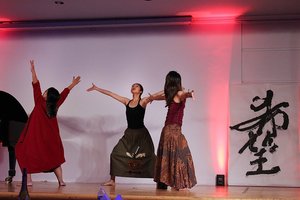
TAAC Gala performance

紐約及愛爾蘭經驗 - 海外移民,殖民文化及孤島藝術

紐約及愛爾蘭經驗 - 海外移民,殖民文化及孤島藝術
The diaspora, colonial experience, architecture, and insular art - New York and Ireland 
綠可

愛爾蘭在一九九二年成爲獨立國家,脫離超過六百年的英國之殖民,這個國家現有超過四百七十萬人口,面積八萬四千平方公里(相比台灣為2355萬和40,000平方公里),雖然北愛爾蘭因爲宗教因素還是在英國之部分,但當地的人還稱自己為愛爾蘭人;而不會是英國人。這個國家的獨立經歷多次大大小小慘烈的獨立戰爭, 許多精英加入了激進分子的領導行列,革命中喪失了生命,給他們的家人造成了深重的痛苦,許多城市建築也燒毀,現已重建,在都柏林的市區可見一尊尊的雕像矗立街頭,如果瞭解愛爾蘭的歷史會完全理解現金愛爾蘭人的强烈愛國及國家文化的認同意識。有一首非常有名的詩歌“母親”[1]是愛國烈士帕斯博士(Patrick (Pádraig) Pearse)在1916 年在未成功的革命中被捕處決之前夕以母親角色來寫下他與弟弟威利Willie都為爭取愛爾蘭的獨立而犧牲了性命。

母親
我不遺恨他們:主啊,我不遺恨
我看著的兩個強壯的兒子走了
為了突破自己的強靭和死亡,他們和一些人,
在血腥抗議一件光榮的事情時,
他們應該在他們的人民中被說出來,
世代應記住他們,
稱他們為福氣,
但我會把他們的名字寫在自己的心上
在漫漫長夜裡;
那些曾經很熟悉的名字
圍繞我的火爐灰燼。
主啊,你對母親很努力:
我們在他們的來臨和他們的離去中受苦;
而我不吝嗇他們,我疲倦,疲倦
長久的悲傷 - 然而我有我的喜悅:
我的兒子是忠實的,他們奮戰。

這讓我們想起了台灣歌曲亞細亞的孤兒[2]以:

亞細亞的孤兒在風中哭泣;
黃色的臉孔有紅色的污泥;
黑色的眼珠有白色的恐懼;
西風在東方唱著悲傷的歌曲。
亞細亞的孤兒在風中哭泣;
沒有人要和你玩平等的遊戲;
每個人都想要你心愛的玩具;
親愛的孩子你為何哭泣。
多少人在追尋那解不開的問題;
多少人在深夜裏無奈的嘆息;
多少人的眼淚在無言中抹去。
親愛的母親這是什麼道理。

 
在談到愛爾蘭移民,必須提到移居在英國及美國和其他國家散居的人口。所有愛爾蘭的藝術家都希望有機會在倫敦展辦理展覽,並希望他們的藝術作品能夠在展示時被收藏,也同時有一些有趣的事情總會不時的發生,在十九世紀藝術家可以做出奇怪的改變來妥協現實狀態,例如,他們可以改變藝術作品的標題主題以避免挑起英國對愛爾蘭的偏見,因此可以取悅倫敦的觀眾或是不讓英國的收藏家請在。這個例子將會在之後的文章中逐步分析,儘管在愛爾蘭存在反英情緒,但都柏林的城市發展遵循了英國式的刻板印象,如城市規劃或維多利亞和喬吉亞的建築風格,十九世紀後期愛爾蘭發生了重要的文化復興運動。由於基督教影響了這個愛爾蘭島嶼,整個社會基本上分為兩組 - 新教徒和保守的羅馬天主教徒。[羅馬天主教徒佔絕大多數。]

在這場長期的文化運動,愛爾蘭社會精英發自内心的熱愛塞爾特歷史,運用宣傳及有計劃的組織這一場蓋爾文化復興運動,以藝術加上政治從多個文化角度來引起歡慶愛爾蘭遺產。這些活動涉及文件記載歷史建築,地形,藝術,文學,出版物和政治上熟練的宣傳,這群人不移遺力致志向前推進,最終成功改變了政治環境。也因此,今天在愛爾蘭有一個非常明確的國家身份和文化認同。這一場文化運動不僅給愛爾蘭帶來了強烈的族群認同感,而且是一次重大的文化復興。有幾個重要的歷史人物必須提及,如威廉.斯托克斯博士和他的女兒瑪格麗特. 斯托克斯博士, 還有建築師如迪恩和伍德沃德,藝術家如喬治皮特里,後來的威廉濟慈,和他的兄弟傑克濟慈和姐妹蘇珊和伊麗莎白濟慈,還有像丹尼爾.奧康奈爾等政治家也多是其中一份子。

在十九世紀初的大饑荒期間,超過一百萬愛爾蘭人離開愛爾蘭鄉鎮遷徙到美國;些移民團體居住在紐約和美國其他許多州,他們在紐約市建立了一個非常強大的愛爾蘭社區,其中如在曼哈頓第五大道上的聖帕翠克大教堂和每年一度的聖帕翠克節遊行等都是重要的標誌, 還有有趣的現象是很多愛爾蘭裔美國人強烈地表現出對祖國的愛國情懷,在都柏林國家音樂廰,剛剛維修完成並於二〇一八年一月舉行了第一場音樂會,我們看到了在大廳中列出的贊助人名單使用較為大字的字體明顯標記贊助人名,其中最大的贊助者特別並標出“美國人”。另外,前美國總統約翰.肯尼迪是愛爾蘭後裔,他對愛爾蘭的訪問在本地也是一件大事並瞭解兩個國家間的緊密關係。

有個歷史事實,英格蘭和愛爾蘭之間的一大區別在於,羅馬人征服並統治了英國數世紀,但羅馬從未征服過愛爾蘭。查看愛爾蘭的藝術歷史及國寶凱爾斯之書(Book of Kells)的影響力,必須回到中世紀早期,當時來自羅馬的傳教士遍布歐洲,直至英格蘭,蘇格蘭,威爾士和愛爾蘭。這些僧侶攜帶手稿,複製手稿或向教皇請求給與;其後,傳教士逐漸分組,大多數的修道院遵循羅馬統治,而愛爾蘭人則因為離羅馬很遠而獨立運作。其中一位僧侶科倫巴(Columba)出生在愛爾蘭的一個王室,之後他成為了一個修道士,後來移居在蘇格蘭西部的愛奧那(Iona)建立了一個修道院,離愛爾蘭不遠。愛奧那修道院成為科倫巴建立的一系列修道院的指揮中心,其中一些位於英格蘭東北部的諾桑比亞(Northumbria),另一些位於愛爾蘭本島。

島國藝術(Insular Art)手抄本(manuscript)是指來自愛爾蘭和蘇格蘭,威爾士及英格蘭以及當時移居的書,這包含了交互影響的地中海區域,如瑞士,德國,奧地利,希臘,法國及意大利的島國藝術手抄本,這個詞在歐洲其他地方還沒有被應用。但是,如果沒有大寫字母,“insula”只是拉丁語中的“島嶼”,也可以更普遍地使用。在這些島嶼內觀察和開展研究,對於在一個小國家中保持國家形象和身份的重要性提供了很多擴展的視角。

__________________________________
[1] 帕斯出生都柏林,對於語言有極大興趣及學習,他原意係愛爾蘭國會獨立自主于英國,但之後決定投入愛爾蘭的獨立運動,並成立了男孩團體學校,讓孩子學習愛爾蘭語言及蓋爾文化,在1916年帕斯爲主的團體占領郵政總局,但是英國軍隊其後他的弟弟威利在其後也被槍殺。除了是老師與革命家,他也是作家與詩人,在死刑前夕所作的詩歌來表達他的母親對於兩個兒子的死亡。

[2] “ 亞細亞的孤兒》(日文名:アジアの孤児)是台灣作家吳濁流成名的長篇日文小說. 書籍對當年的台灣人,既不是日本人也不是中國人的身份認同,其矛盾與混亂深刻描繪。在對自身歸依的無助感及許多人生挫折打擊的日侵月蝕下,最後混亂發瘋,悲劇收場。”( 蔡永強. 亞細亞的孤兒-吳濁流 (PDF). 國立編譯館. 吳濁流. 亞細亞的孤兒. 台灣: 草根出版社. 1995年. ISBN 9579897174. 衍生作品有台灣歌手羅大佑] 於1983年創作同名歌曲《亞細亞的孤兒》。但當時的副標題「紅色的夢魘,致中南半島難民」,使眾人以為此曲內容為描述當年「泰北異域孤軍」後裔的悲涼處境。直到約30多年後2009年,羅大佑才說此曲原意是影射中美斷交事件中的臺灣人,副標只為應付當年的歌曲檢查政策歌的故事/羅大佑《亞細亞的孤兒》原來是指台灣人民? 今日新聞網. 2009-03-14: 影劇中心 [2011-02-15].

The diaspora, colonial experience, architecture, and insular art 
---- New York and Ireland
by Luchia Lee-Howell


A view from IMMA window
Ireland won its independence from the United Kingdom in 1922. It has a population of 4.7 million people in an area of 84,000 km2, (compared to 23.55 million and 40,000 km2 for Taiwan) Ireland has been through many rebellions against the English over the past 600 years, before the successful war for independence. Many elites have joined as activists, leading revolutions which ended in death, causing deep suffering to their family members. A renowned poem by “Pádraig Pearse before he was executed in 1916 for his role in an unsuccessful revolution, runs:
The Mother[1] by Pádraig Pearse

I do not grudge them: Lord, I do not grudge
My two strong sons that I have seen go out
To break their strength and die, they and a few,
In bloody protest for a glorious thing,
They shall be spoken of among their people,
The generations shall remember them,
And call them blessed;
But I will speak their names to my own heart
In the long nights;
The little names that were familiar once
Round my dead hearth.
Lord, thou art hard on mothers:
We suffer in their coming and their going;
And tho' I grudge them not, I weary, weary
Of the long sorrow--And yet I have my joy: My sons were faithful, and they fought .

 IMMA to the Phoenix part
This reminds us of the Taiwanese song The Orphan of Asia, which starts  “The orphan of Asia was crying in the windBlack eyes had white phobia, Western wind in the east was singing sad songs…..”

The orphan of Asia was crying in the wind
Black eyes had white phobia
Western wind in the east was singing sad songs
Orphan of Asia was crying in the wind
No one wanted to play fair game with you
Everyone all wanted your beloved toys
Dear Child, why were you crying?
How many people were pursuing that unsolved question[2]?

 In talking with new Irish immigrants, reference has been made to the diaspora in the UK, US, and other countries. There were some interesting things that happened when artists exhibit in London, where all artists seek the chance to exhibit and hope their art works will be collected. Artists can make weird changes to compromise and thus please the audience in London. For example, they can change the work title to avoid disturbing British prejudices against Ireland. Despite anti-British feeling in Ireland, city development in Dublin has followed the stereotypical British format, such as city planning or the Victorian and Georgian architecture styles. There was an important cultural revival movement in late 19th century. Since Christianity has influenced this island, society has divided into two groups - Protestants, and conservative Roman Catholics. [The Roman Catholics are a large majority.] 

Irish elites acted as propagandists, organizing a movement to celebrate Irish heritage from multiple cultural angles, politically and artistically. The activities involved documented historical architecture, topography, art, literature, publications and politically skillful propaganda. The efforts moved forward and eventually successfully changed the political environment. Thus, today in Ireland there is a very clear identity and culture. This movement not only brought a strong identity to Ireland, but also a significant cultural revival. There were several important figures. Such as Dr. William Stokes, and his daughter Margaret, Architects, such as Deane and Woodward, artists such as George Petrie, and later William B. Yeats and his brother Jack Yeats and sisters Susan and Elizabeth Yeats. politicians such as Daniel O’Connell, and others.

Over one million Irish people left emigrated to America during the Great Famine of the 19th century. These immigrant groups lived in New York, and many other states in US. They built up a very strong Irish community in New York City with their significant icons such as St. Patrick’s Cathedral on 5th Avenue and the annual St Patrick’s Day parade. Interestingly, Irish-Americans strongly show their patriotic feelings for their home country. The Dublin National Theatre was just renovated and had the first concert in January 2018. We have found the patrons listed in the lobby; on the top in larger font is clearly marked “United States.” John Kennedy, the former US president, was of Irish descent, and his visit to Ireland was a large event.

One big difference between England and Ireland is that the Romans conquered and ruled England for many centuries, but Rome never conquered Ireland.

Investigate the national treasures in Ireland back to the early Medieval period, when missionaries From Rome had spread out over Europe, as far as England, Scotland, Wales and Ireland. These monks carried manuscripts with them, and copied manuscripts or requested them from the Pope, and the missionaries gradually divided into groups. Most followed the rule from Rome, while those in Ireland became independent because they were so far from Rome. One of these monks, Columba, was born in Ireland of a royal family. He became a monk andhile later founded a monastery in Iona - west of Scotland and not far from Ireland. The monastery at Iona become the command center of a chain of monasteries founded by Columba, some in Northumbria (in northeast England), and others in Ireland.

Insular manuscripts are those from Ireland and England, and this term has not been applied anywhere else in Europe. But when not capitalized, “insula” is simply the Latin word for “island” and can be also used in more generally. Observing and doing research within these islands has provided much extended perspective of what is significant in keeping national icons and identity in a small country.


[1] Patrick (Pádraig) Pearse (1879-1916) was born in Dublin and had a great interest in the Irish language and spent many summers in Rosmuc in Galway learning Irish. At first he just wanted a parliament in Dublin rather than total independence from Britain. However, he later decided to start a rebellion and fight for independence. He established a school for boys, St. Enda’s School, where children could learn about Irish culture and language. During the 1916 Rising, Pearse was in charge of the General Post Office (G.P.O.). When the British army overpowered the Irish rebels, it was Pearse who ordered their general surrender in order to save further loss of life. He was tried and executed by a firing squad in Kilmainham Jail on the 3rd of May 1916. His younger brother Willie was also shot.
In addition to being a teacher and a revolutionary, Patrick Pearse was also a poet and a writer. One of his famous poems is called The Mother. It was written the night before his execution and describes his mother’s thoughts on the death of her two sons.

[2] The Orphan of Asia is novel by Wu Zhouliu. The book reflects Taiwan’s wandering-orphan status through time not only in its political content, but also in its publishing history. The book was written in the late Japanese colonial period (1895-1945; at the time, the controls over speech and writing were pretty strict, so, the novel had to be clandestinely penned, and it was not possible to publish the book. After the Pacific War, Taiwan was the governed under the Chinese Nationalist 9KMT) immigrants, Mandarin Chinese became the national language, and the novel which was written in Japanese was again facing unpublishable status and the feelings Taiwanese people through the metaphor of an orphan abandoned by its parents, the book evoked a tremendous response from readers. Its English translation was made possible in 2005. Wu, Zhuoliu. 2006. Orphan of Asia. translated by Ioannis Mentzas. New York: Columbia University Press.
Old Library, Trinity College Dublin

Brian Boru Harp